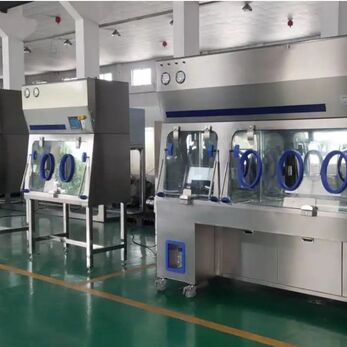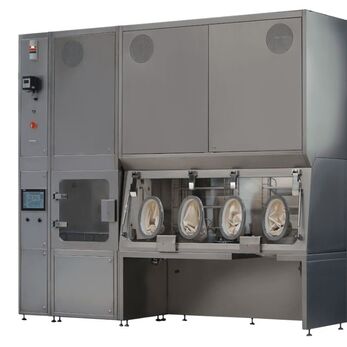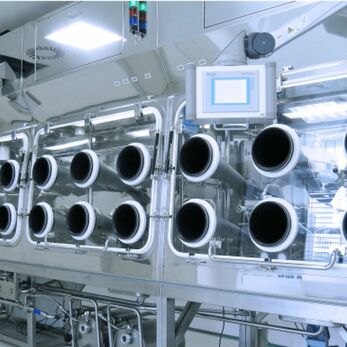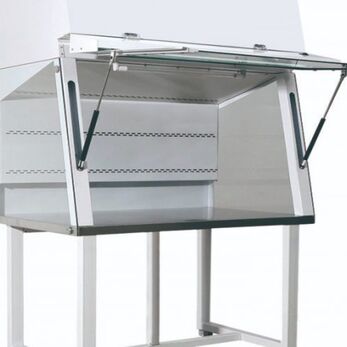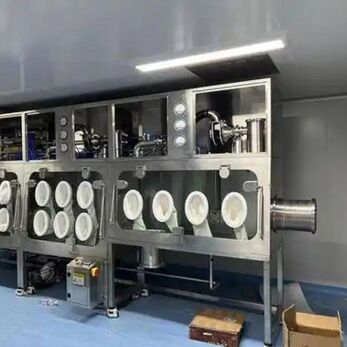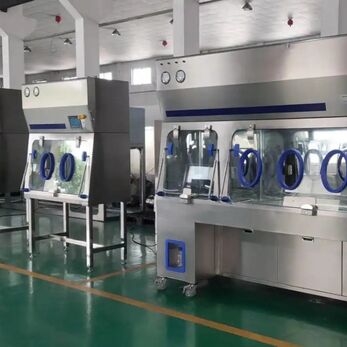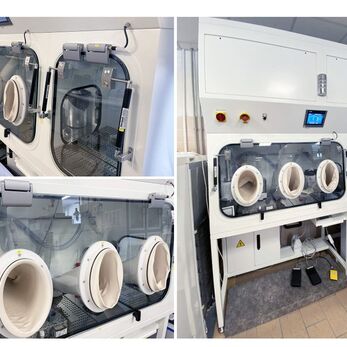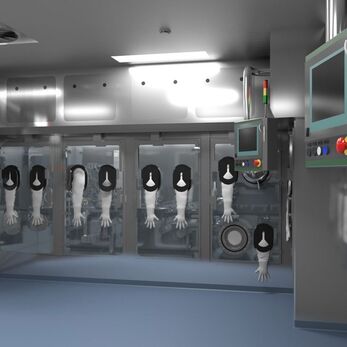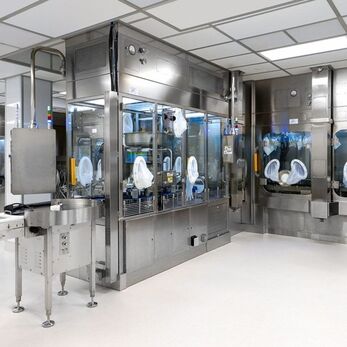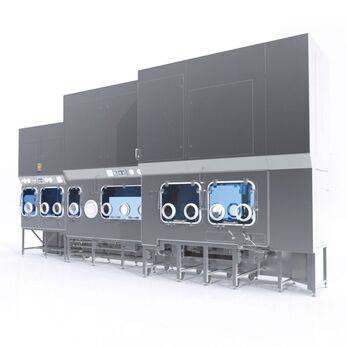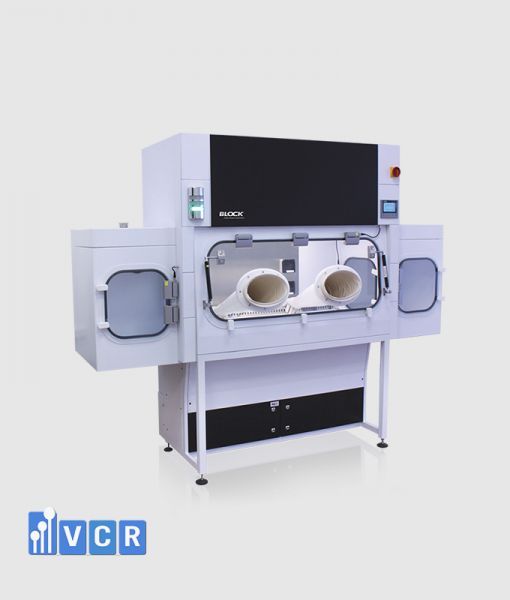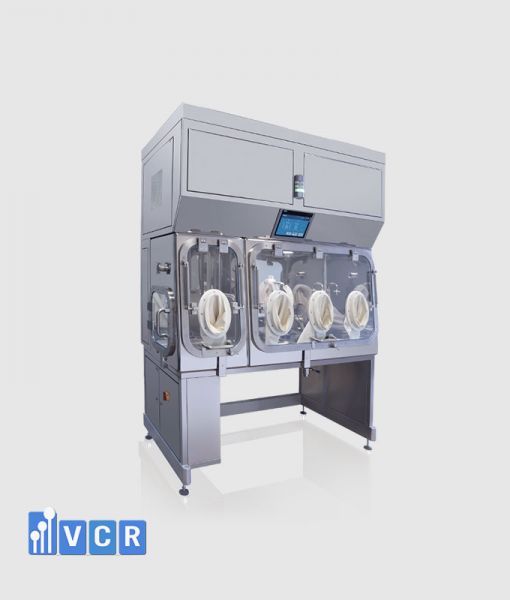

Level 3 vs Level 4 Isolator: The difference in biosafety lies in the level of protection and scope of application. While level 3 isolators are sufficient for medium-high risk agents, level 4 is designed for extremely dangerous viruses such as Ebola, Marburg – where absolute safety and maximum isolation are required.
- 1. Isolator Level 3 vs Level 4: Key Differences in Containment and Biosafety Risk Control
- 2. What is a Level 3 Isolator? When should it be used?
- 3. What is a Level 4 Isolator? When is it mandatory?
- 4. Comparison: Level 3 vs Level 4 Isolator – Which one suits high-risk environments?
- 5. Important Considerations: A Higher Biosafety Level Doesn’t Always Mean Better
- 6. Frequently Asked Questions about Level 3 and Level 4 Isolators
- 7. Not Sure Whether to Choose a Level 3 or Level 4 Isolator? Don’t Decide Alone.
1. Isolator Level 3 vs Level 4: Key Differences in Containment and Biosafety Risk Control
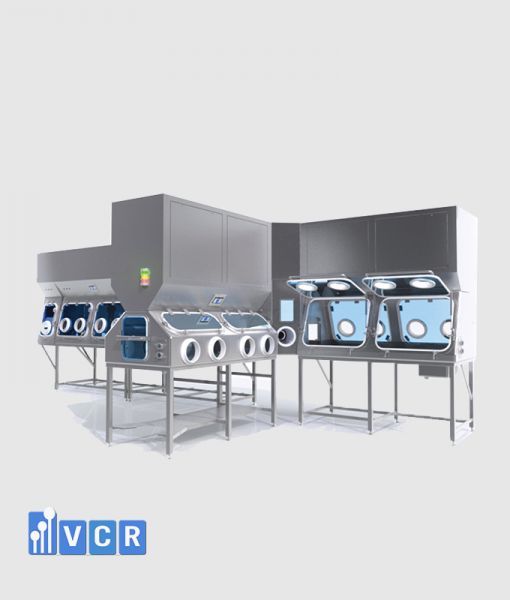
Both Level 3 and Level 4 isolators are containment devices used in environments handling dangerous biological agents. However, Level 4 provides significantly higher protection—especially in scenarios involving viruses with no available vaccines or treatments. While Level 3 isolators are suitable for most pharmaceutical microbiological applications, Level 4 isolators are mandatory for handling highly dangerous agents such as Ebola or Marburg.
2. What is a Level 3 Isolator? When should it be used?
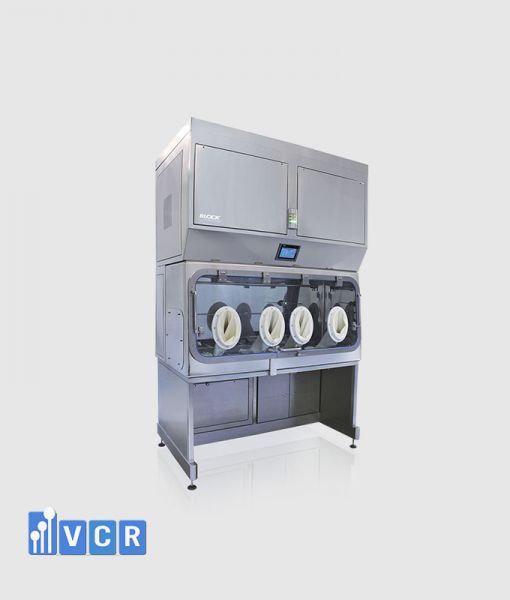
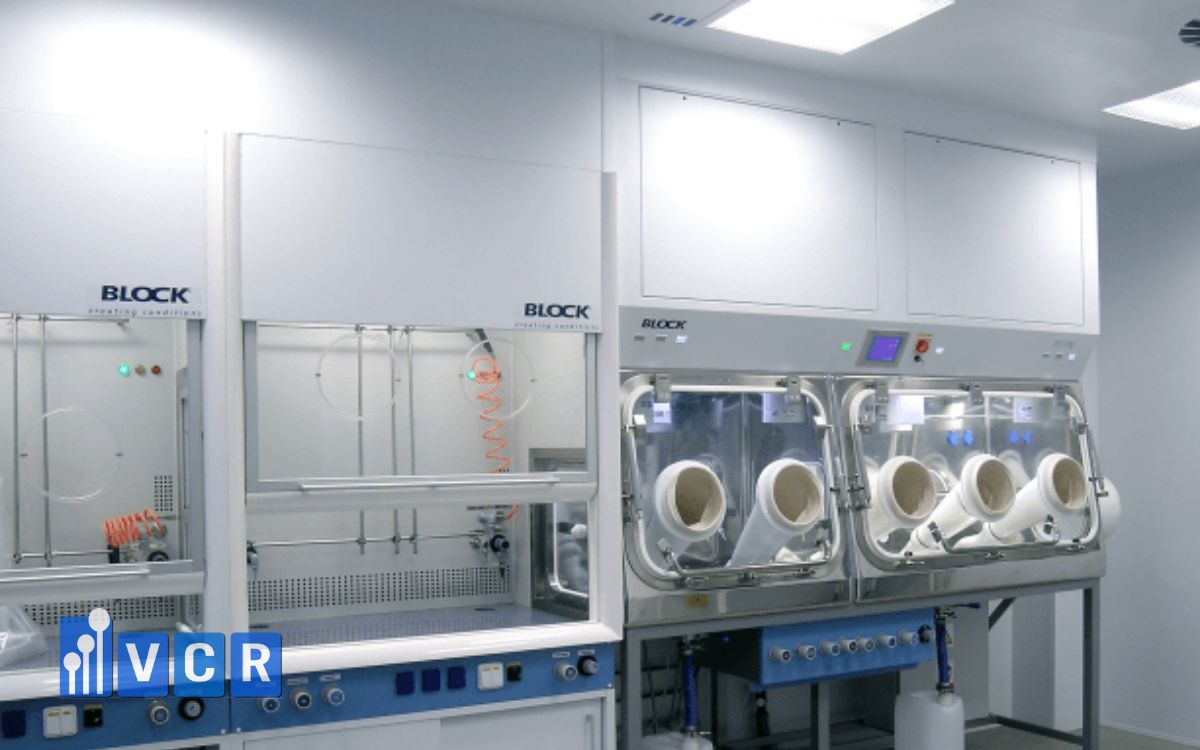
A Level 3 isolator is a containment device designed according to Biosafety Level 3 (BSL-3) standards. It protects operators from airborne pathogens capable of causing serious illness.
Key Technical Features:
- Negative pressure: Maintained below ambient levels to prevent pathogen-laden air from escaping.
- Dual HEPA exhaust filtration: Ensures no microbial contamination is released.
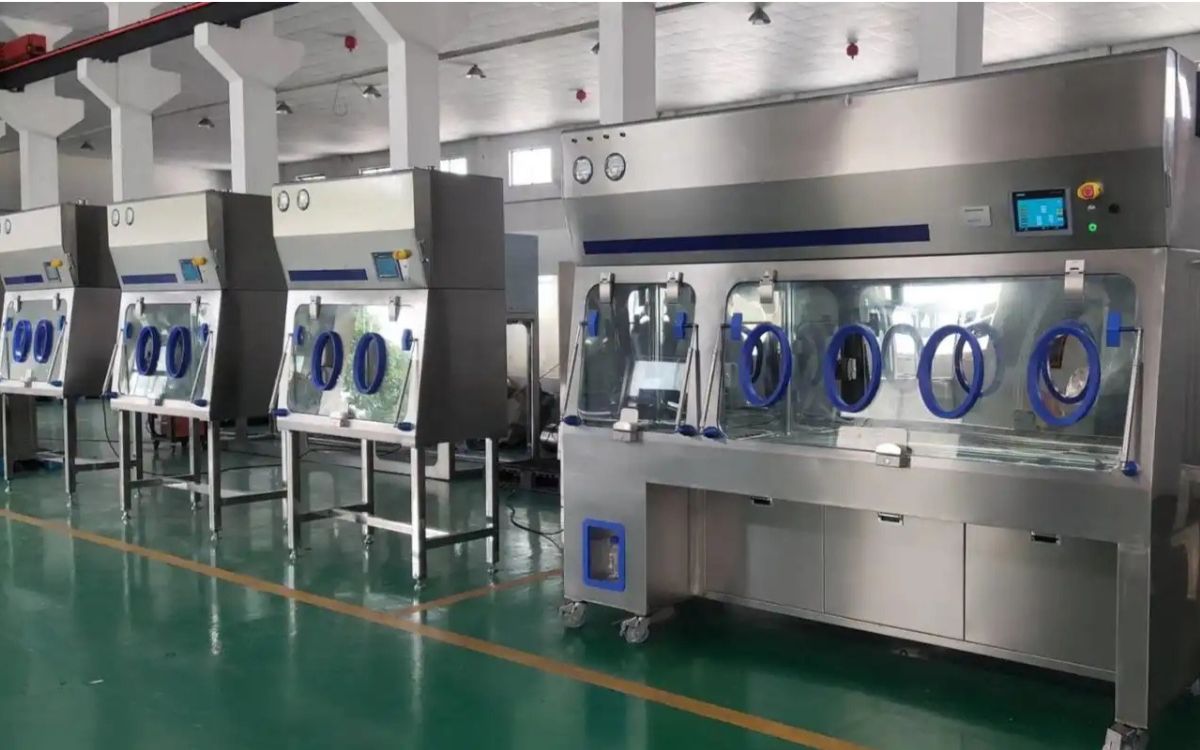
- Closed manipulation chamber: Operators work via gloves fixed to the isolator walls.
- Integrated decontamination system: Usually uses vaporized hydrogen peroxide (H₂O₂).
Typical Applications:
- Research and culturing of tuberculosis bacteria, drug-resistant Staphylococcus aureus, and pathogenic molds.
- Production of live attenuated vaccines.
- Microbiology labs in the pharmaceutical industry, especially in weighing or compounding areas involving hazardous biological agents.
See more: How to clean isolator to ensure sterile safety
3. What is a Level 4 Isolator? When is it mandatory?
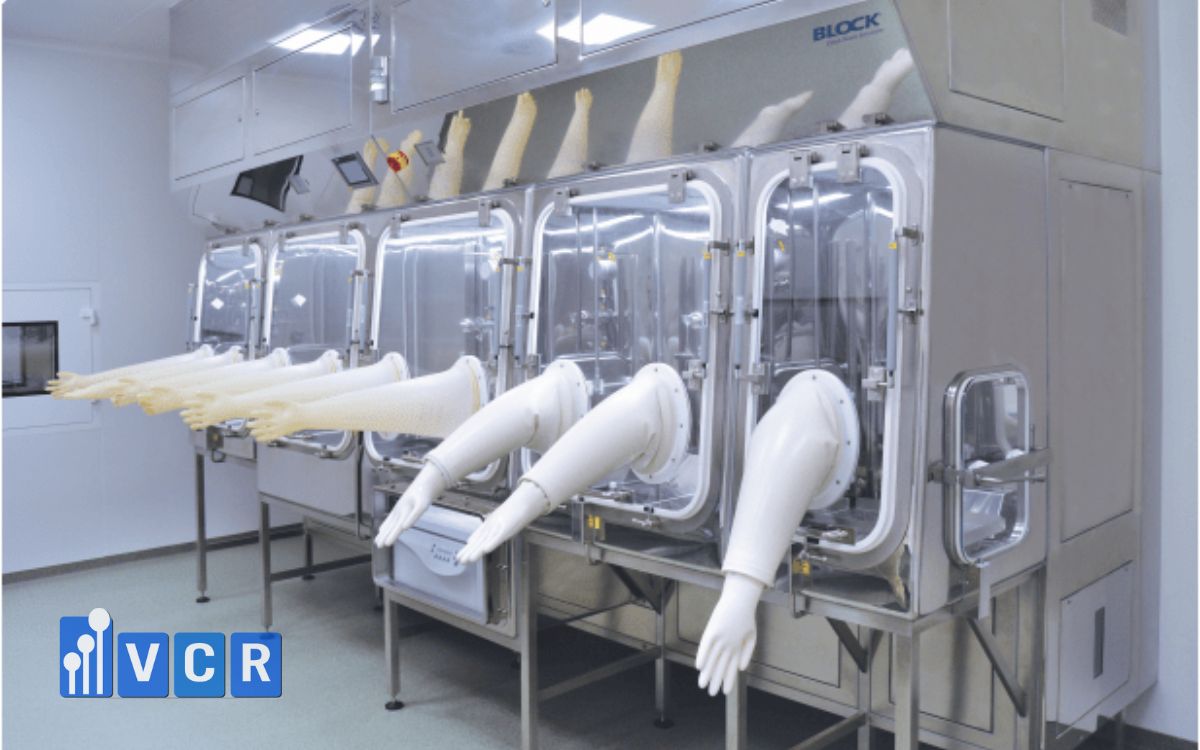
A Level 4 isolator is a high-containment device designed according to BSL-4 – the highest biosafety level. It is required for environments dealing with extremely dangerous pathogens that are highly transmissible and for which no treatment exists.
Key Technical Features:
- Total containment system: Complete physical separation between the agent and the operator.
- Positive pressure suit required: Personnel must wear specialized suits with dedicated air supply.
- Strict exhaust air treatment: Multi-stage HEPA filtration combined with heat or chemical sterilization.
- Dedicated waste decontamination: All wastewater and biohazardous waste must be sterilized to BSL-4 standards.
Mandatory Applications:
- Handling high-mortality viruses like Ebola, Marburg, Lassa, Hendra, etc.
- Research labs developing vaccines or experimental biological therapies.
- National-level biocontainment centers and disease control institutes.
4. Comparison: Level 3 vs Level 4 Isolator – Which one suits high-risk environments?
|
Criteria |
Level 3 Isolator (BSL-3) |
Level 4 Isolator (BSL-4) |
|
Protection Level |
High – prevents operator inhalation of pathogens |
Very high – complete protection for personnel |
|
Type of Agent |
Serious pathogens (with available vaccines/treatments) |
Highly lethal viruses with no known treatment (e.g., Ebola) |
|
Air Handling |
Negative pressure + HEPA-filtered exhaust |
Sealed supply/exhaust system with strict filtration |
|
Operation Method |
Fixed gloves on isolator wall |
Full-body suit with separate air supply |
|
Containment Level |
Partial physical isolation |
Absolute isolation from the environment |
When to use Level 3? → In pharmaceutical plants or microbiological research labs.
When is Level 4 required? → In facilities dealing with lethal viruses lacking treatments, such as national research centers.
See more: Latest price list of Isolator used in food factory
5. Important Considerations: A Higher Biosafety Level Doesn’t Always Mean Better
Choosing an isolator should not be based solely on biosafety level. It must consider the actual application, the type of biological agent being handled, operational costs, and risk management capabilities.
Common Mistakes:
- Selecting a Level 4 isolator simply because “higher is safer,” even when the biological agents only require BSL-3 containment.
- Overinvesting in equipment leads to unnecessary expenses for procurement, training, and maintenance.
Cost and Operational Differences:
|
Item |
Level 3 |
Level 4 |
|
Initial Investment |
Medium to high |
Very high (specialized design and equipment) |
|
Staff Training |
1–2 weeks of focused training |
Strict national-level training and certification required |
|
Monitoring and Validation |
Internal or third-party audits |
Usually monitored by national biosafety authorities |
Recommendations by Environment:
- Pharmaceutical Facilities: Level 3 isolators are sufficient for most vaccine production tasks or handling high-risk materials in weighing and compounding rooms.
- R&D Laboratories: Prefer Level 3 for balanced performance and practicality unless handling untreatable agents.
- Specialized Labs (e.g., virology institutes, biosafety defense): Use Level 4 only when officially licensed and dealing with Category A high-risk pathogens.
Best practice: Always determine the biological agent type, associated risk level, and regulatory requirements before selecting an isolator.
See more: Latest price list of Isolator used in food factory
6. Frequently Asked Questions about Level 3 and Level 4 Isolators
1. Is a Level 3 isolator sufficient for pharmaceutical manufacturing?
→ Yes. If the facility only handles agents classified under BSL-3, such as tuberculosis bacteria or viruses with existing vaccines, a Level 3 isolator is appropriate and widely used. However, it must not be used for more dangerous agents requiring BSL-4 containment.
2. Is specific validation required for Level 4 isolators?
→ Absolutely. Level 4 isolators must meet strict decontamination protocols, air and waste treatment requirements, and national biosafety standards. Validation is typically overseen by national or international biosafety authorities.
3. Can a Level 4 isolator be used in a GMP-compliant facility?
→ Yes, but it must be specially designed to comply with both BSL-4 containment and GMP standards. This includes managing personnel/material flow, pressure differentials, and cleanroom zoning. Such integration is common in facilities producing high-risk biological vaccines or specialty drugs.
7. Not Sure Whether to Choose a Level 3 or Level 4 Isolator? Don’t Decide Alone.
Choosing the wrong isolator level not only wastes investment but also jeopardizes biosafety, GMP compliance, and operational efficiency.
Let VCR’s experts help you:
- Recommend the appropriate isolator level based on BSL classification and real-world application
- Design a cleanroom layout compatible with your biosafety level
- Provide support with validation, operational training, and GMP documentation
Contact VCR today for detailed consultation and a quote tailored to your pharmaceutical plant, laboratory, or research center.
Hotline: 090.123.9008
Email: [email protected]
Website: https://isolator.vn/
Diep VCR