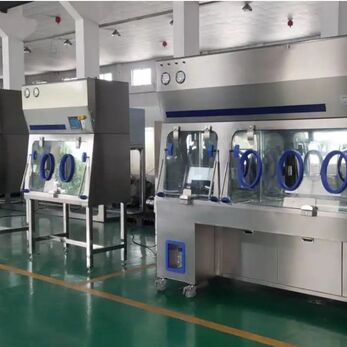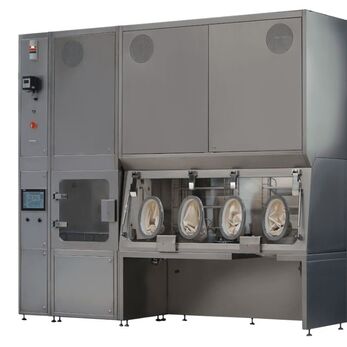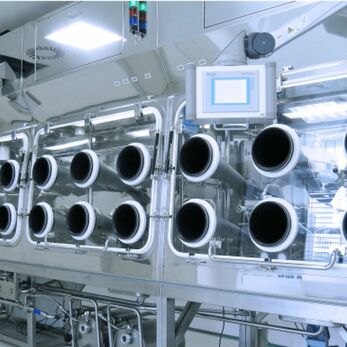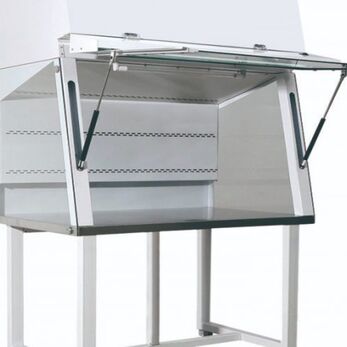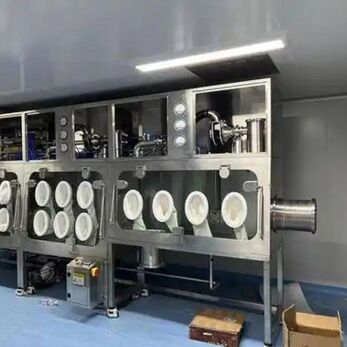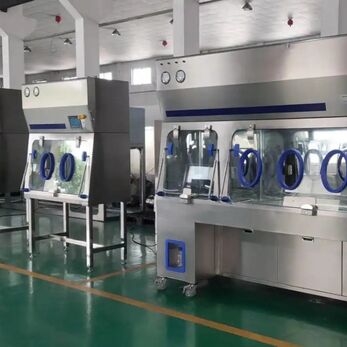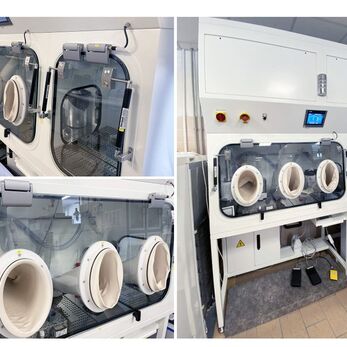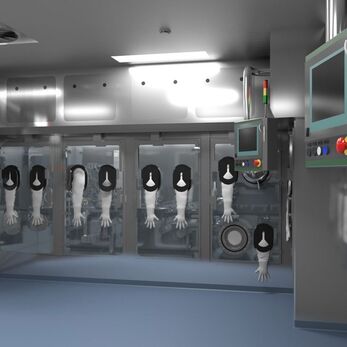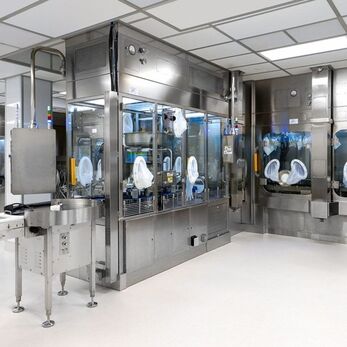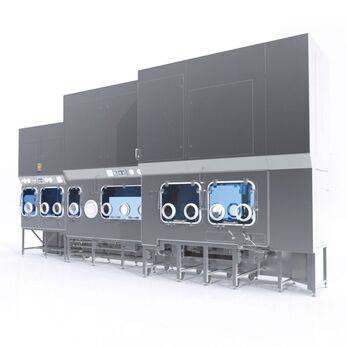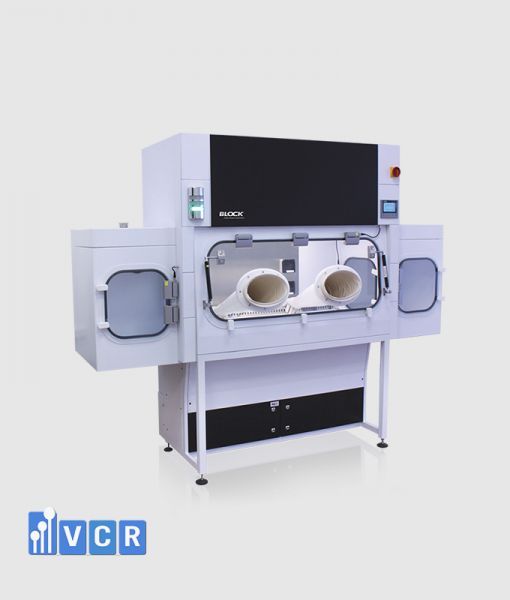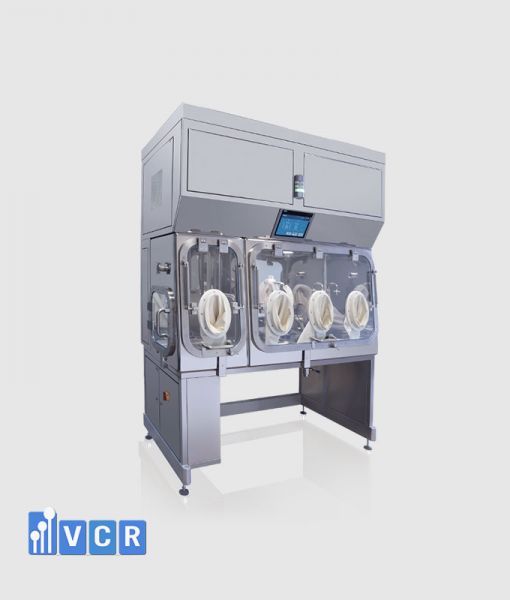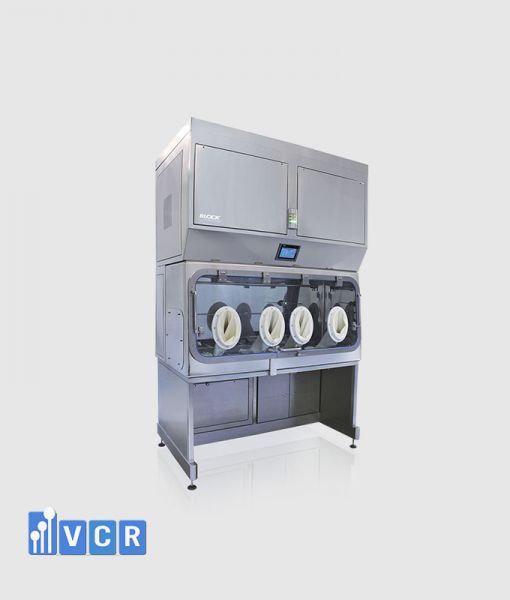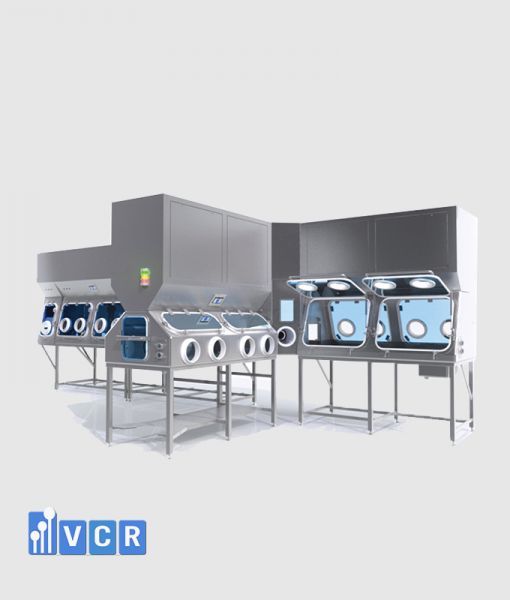

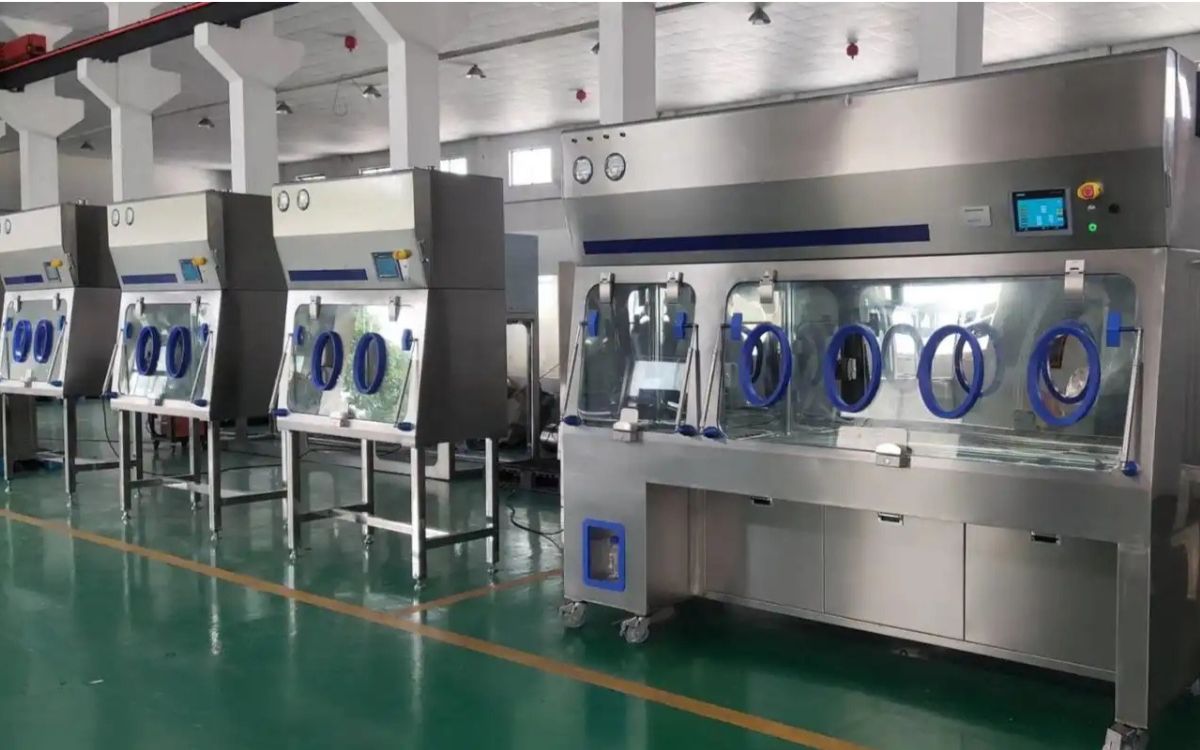
An isolator - also known as an isolation chamber - is a specialized solution designed to create a sealed environment with absolute control over dust, humidity, and pressure. In the electronics industry, this device plays crucial role in protecting testing zones, signal analysis areas, and high-sensitivity components from any external interference
- 1. What is an isolator? Applications in high-sensitivity electronics analysis
- 2. Criteria when selecting an isolator-provider for the electronics industry
- 3. Isolator solutions from VCR – A trusted company in the cleanroom industry
- 4. Comparison table: Standard isolator vs. electronics-industry specific isolator
- 5. FAQ – Answers to questions about isolators in the electronics industry
1. What is an isolator? Applications in high-sensitivity electronics analysis
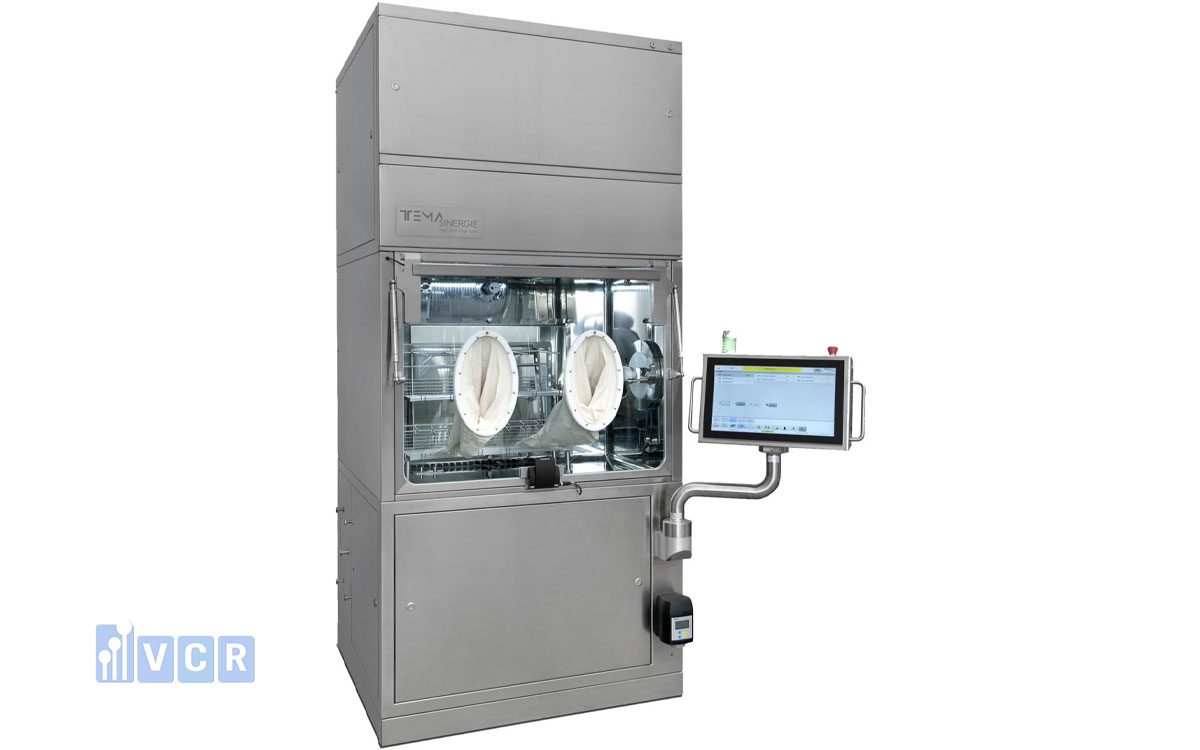
An isolator, also called an isolation chamber, is a specialized device designed to create a sealed environment that absolutely controls factors like dust, humidity, pressure, and airborne contaminants. In the area of electronic analysis, the isolator acts as a “shield” protecting the test samples from all interfering factors, thereby ensuring maximum accuracy in inspection and measurement.
Why do electronics industries need an isolator?
In laboratories or production lines for high-sensitivity electronic devices-especially with components like integrated circuits (ICs), MEMS sensors or low-power modules-every small interference can distort analysis results or cause product failures.
Using an cleanroom isolator helps to:
-
Prevent particle and moisture interference: The air inside the chamber is filtered through HEPA/ULPA membranes, ensuring dust-free conditions and ideal humidity control.
-
Stabilize environmental conditions: Positive or negative pressure is maintained depending on technical requirements, preventing the infiltration of external air or bacteria.
-
Increase accuracy in analysis: Minimizes environmental influence, enabling sensors and measurement devices to perform at designed sensitivity and capacity.
Specific applications of isolators in electronic analysis
They are widely used in inspection and analysis phases such as:
-
Testing low-power ICs: Requires an environment free from vibration and dust, and with stable temperature.
-
Measuring MEMS sensors: Needs isolation from electrostatic interference and mechanical vibration.
-
Analyzing weak signals: Using an isolator to reduce electromagnetic interference (EMI), increasing sensitivity of measurement equipment.
Read more: Provider of Isolator – Class III Biosafety Cabinet Compliant with GMP
2. Criteria when selecting an isolator-provider for the electronics industry
Selecting the right isolator supplier is a key factor that ensures effective analysis and inspection in high-sensitivity electronic environments. Below are important criteria enterprises should carefully consider.
Suitable design for use purposes
Depending on the technical requirement and nature of the test sample, the isolator should be flexibly designed to meet:
-
Positive or negative pressure isolators: based on whether the goal is to protect the sample from contamination (positive pressure) or protect the operator from hazardous substances (negative pressure).
-
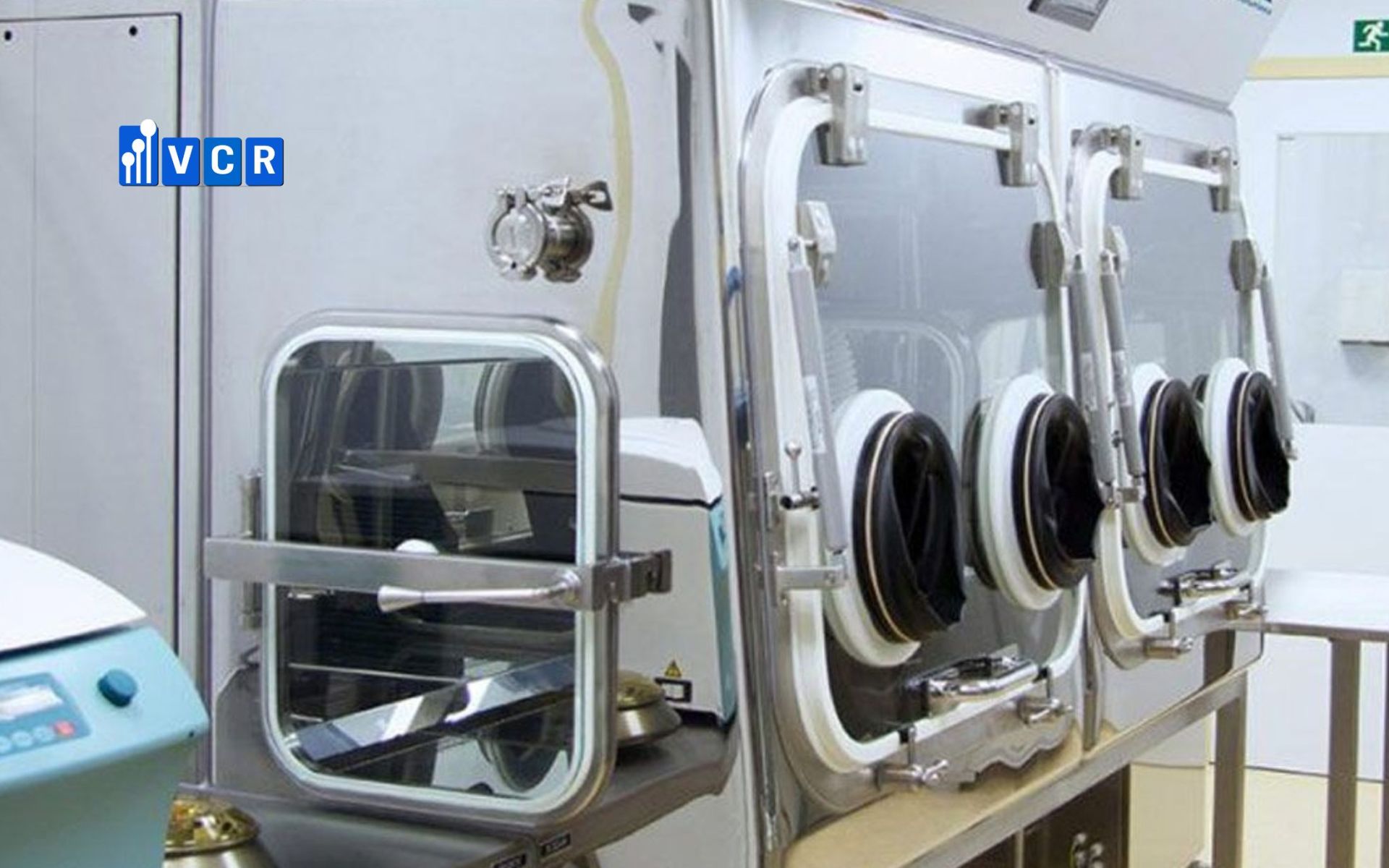
Glove-box type isolator: Allows direct manipulation within the sealed environment without altering the set environmental conditions.
-
Customized size and structure: Suitable for cleanroom space and test workflow.
Ability to integrate with specialized analytic equipment
In the electronics industry, measurement equipment often has high sensitivity and requires accurate communication. The isolator must ensure:
-
Vibration-free connection ports: Maintain stability when transmitting data or electrical signals.
-
Integration with standard industrial interfaces: RS-232, USB, or optical ports compatible with automated measurement systems.
Compliance with the industry cleanroom standards
A high-quality isolator should be designed and manufactured according to international standards:
-
Standard ISO 14644: Controls particle density in the air inside the isolation chamber.
-
Electrostatic discharge (ESD) protection: Prevents the destruction of microcircuits during handling.
-
Active ionization for static removal: Usually uses ion bars to control surface charge.
Professional after-sales service and maintenance
A reputable provider not only supplies the equipment but also ensures long-term stable operation:
-
Clear periodic maintenance schedule: Includes checking airtightness, replacing HEPA filters, calibrating sensors.
-
On-site operation training: Ensures staff understand correct use and basic troubleshooting.
-
Prompt warranty service: Especially important in electronics manufacturing environments that require uninterrupted operation.
Read more: Isolators: Enhancing Aseptic Processing in the Pharmaceutical Industry
3. Isolator solutions from VCR – A trusted company in the cleanroom industry
In the context of the electronics- and semiconductor-industry increasingly demanding strict testing environments, the company Cleanroom Equipment VCR stands out as a pioneer in supplying specialized isolator solutions. Not just a distributor of equipment, VCR is also a trusted technical partner accompanying electronics enterprises throughout the operation and development process.
Overview of VCR
VCR specializes in providing total solutions for cleanrooms, including design, installation and operation of environmental control equipment. With strengths in industries such as electronics, semiconductors, pharmaceuticals and functional foods, VCR has built an optimal service ecosystem that meets the most stringent technical requirements.
Isolator product lines that VCR is providing
VCR currently offers a variety of isolator lines suitable for high-sensitivity electronics environments:
-
Positive-pressure isolators: Commonly used for testing light-sensitive sensors, low-power ICs, helping totally eliminate the risk of external contamination.
-
Custom design isolators: Allow customization of size, airflow style, number of manipulation ports, integration with measurement devices… suitable for each customer’s specific workflow.
Optimal consultation & installation process from VCR
A highlight of VCR’s service is a technically advanced deployment process, carried out by experienced experts:
-
Survey and analyze actual needs at the laboratory or factory.
-
Design simulation of airflow and isolation environment to optimize performance.
-
Installation, testing, practical trial before handover.
-
Training and technical support post-installation.
Read more: Cleanroom Isolators: Enhancing Aseptic Processing
4. Comparison table: Standard isolator vs. electronics-industry specific isolator
To select the correct type of isolator for electronics-analysis needs, it is very important to understand the differences between the standard device and the specialized one. The table below summarises key technical criteria for comparison:
| Criterion | Standard Isolator | Electronics-Industry Specific Isolator |
|---|---|---|
| HEPA/ULPA Filter | Single HEPA | HEPA in combination with ESD neutralization unit |
| Electromagnetic Interference (EMI) Resistance | None | Equipped with effective EMI shielding |
| Integration with measurement devices | Limited | Equipped with industrial standard interfaces like RS-232, USB |
| Design Flexibility | Fixed structure, hard to modify | Customizable size, configuration to suit specific modules or equipment |
Summary
-
The standard isolator is typically suitable for basic applications in manufacturing or standard laboratory environments.
-
The electronics-industry specific isolator is designed with higher standards in electromagnetic isolation, electrostatic control and measurement-device connectivity, and is therefore suited to high-sensitivity, high-accuracy applications such as signal analysis, sensor testing, low-power IC inspection…
Read more: Provider of Isolator – Microbial Contamination Control Equipment for Food Production
5. FAQ – Answers to questions about isolators in the electronics industry
Q: What cleanroom class can an isolator operate in?
A: An isolator can be integrated and operate stably in cleanrooms from ISO Class 5 to ISO Class 8, depending on the specific particle-control requirements. The isolator lines provided by VCR are designed to be suitable for ultra-clean environments.
Q: Is periodic maintenance required for an isolator?
A: Yes. To ensure isolation performance and stable cleanliness, the isolator needs to be inspected periodically every six months. Maintenance includes: checking airtightness, HEPA/ULPA filter performance, re-measuring pressure and replacing worn components if needed.
Q: Can the size and glove-ports of an isolator be customised?
A: Absolutely. VCR supports designing isolators according to each customer’s unique requirements, including size, number of manipulation ports, material types, layout of measurement devices, pressure-control system and static-ionization system.
Are you looking for a specialized isolation solution for sensitive electronic equipment like ICs, sensors, or weak-signal measurement systems?
With over 10 years of experience in the cleanroom equipment and integrated solutions industry, VCR stands ready to partner with you from survey – design – installation – to maintenance of ISO-standard isolator systems.
Contact:
Hotline: 090.123.9008
Email: [email protected]
Website: https://isolator.vn/
Dat VCR