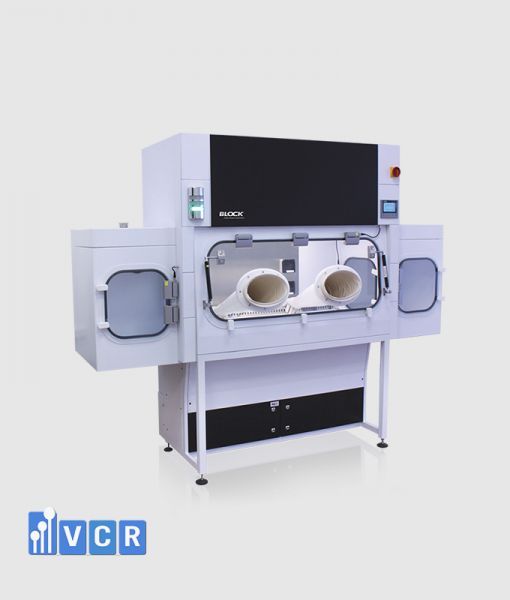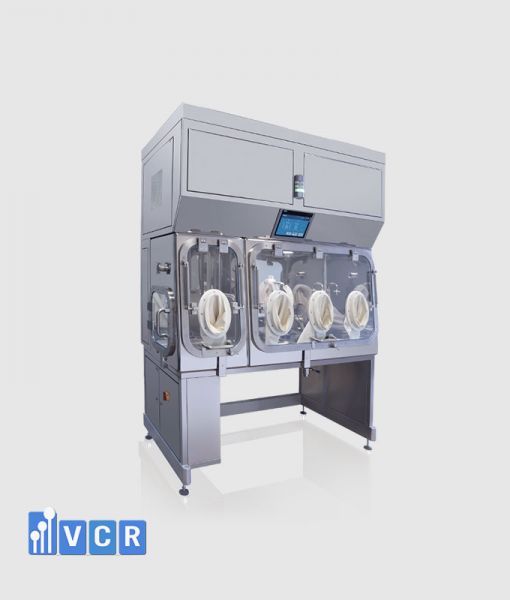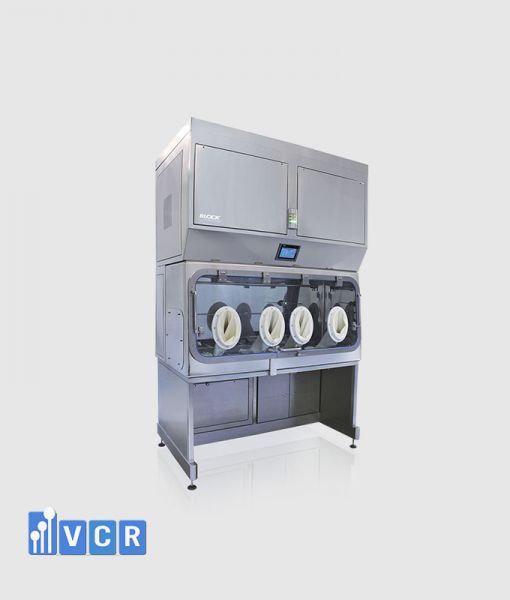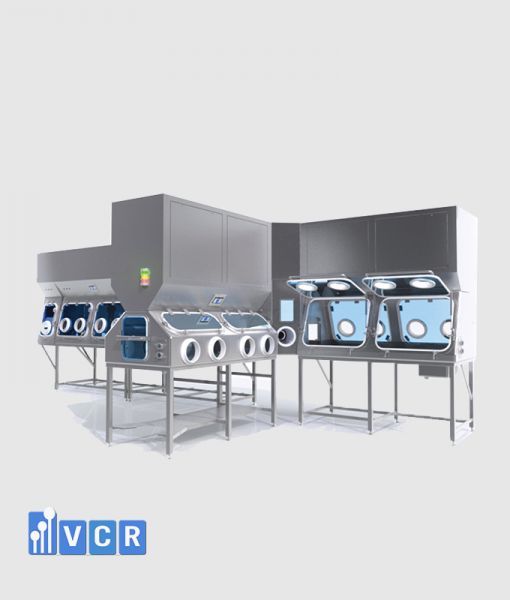

Troubleshooting an isolation cabinet is not just about fixing errors but understanding the entire system. Mastering root causes helps reduce downtime, improve stability, and enable proactive risk control.
- Why does the isolation cabinet fail to start even when power is available?
- Why does airflow gradually decrease without clear alarms?
- What causes unstable pressure inside the isolator?
- Why are alarms triggered continuously without obvious faults?
- How to perform rapid troubleshooting in emergency situations?
- When should the isolator be stopped immediately?
- Why does the fan run but airflow remains insufficient?
- How does glove leakage affect system performance?
- Why can’t the system maintain pressure over time?
- What does increasing noise indicate?
- Why does the control system freeze or respond slowly?
- When should advanced technical support be called?
- How do pressure sensor errors impact troubleshooting?
- How to detect small leaks in the system?
- Why does system performance degrade over time?
- When should filters be replaced immediately?
- What problems can interlock failures cause?
- Why does stabilization time increase over time?
- Should issues be fixed individually or systemically?
- How to build an effective troubleshooting strategy?
In real-world operation, “VCR Cleanroom Equipment” observes that over 70% of issues do not come from major failures but from small deviations accumulating over time. Effective troubleshooting therefore requires a system-based mindset rather than isolated fixes.
Why does the isolation cabinet fail to start even when power is available?
This issue is usually not about power alone but unmet startup conditions. Isolation cabinets are designed with multiple safety layers such as door interlock, pressure status, sensor signals, and control logic. If any condition is not satisfied, the system prevents startup.
To troubleshoot, verify door status, pressure conditions, alarm signals, and system logs. Reviewing system logs often reveals the exact blocking condition within the startup logic.
Why does airflow gradually decrease without clear alarms?
Airflow degradation typically occurs slowly due to filter clogging, fan wear, or airflow obstruction. Because the change is gradual, alarms may not trigger immediately.
Monitoring airflow trends over time is essential. When values drift from design conditions, check filter pressure drop, fan performance, and duct cleanliness to identify the root cause.
What causes unstable pressure inside the isolator?
Pressure instability often results from imbalance between supply and exhaust airflow. Causes include leakage, sensor errors, unstable fans, or external environmental changes.
Troubleshooting requires a layered approach: check sealing integrity, calibrate sensors, verify fan stability, and assess external conditions.
Why are alarms triggered continuously without obvious faults?
Frequent alarms may indicate the system is operating near threshold limits rather than failing completely. For example, slight fluctuations in airflow or pressure can repeatedly trigger alarms.
Trend analysis is critical to understand whether the issue is transient or systematic instability.
How to perform rapid troubleshooting in emergency situations?
A structured sequence should be followed: check power → verify safety conditions → inspect airflow → check pressure → review control system.
Standardized troubleshooting procedures help technicians act quickly and avoid missing critical steps.
When should the isolator be stopped immediately?
Immediate shutdown is required in cases of total pressure loss, zero airflow, severe leakage, or control system failure.
Continuing operation under such conditions may cause system damage and safety risks.
Why does the fan run but airflow remains insufficient?
Fan operation does not guarantee proper airflow. Common causes include clogged filters or blocked airflow paths.
Actual airflow measurement and filter pressure drop analysis are necessary to identify the issue.
How does glove leakage affect system performance?
Gloves are critical weak points in the sealed system. Leakage compromises containment and disrupts pressure balance.
Immediate replacement and system integrity checks are required.
Why can’t the system maintain pressure over time?
This is often due to gradual sealing degradation, aging gaskets, or loosened connections causing continuous micro-leakage.
Over time, these small leaks accumulate and reduce system stability.
What does increasing noise indicate?
Rising noise levels often indicate mechanical issues such as fan misalignment, bearing wear, or vibration.
Noise monitoring helps detect early-stage failures.
Why does the control system freeze or respond slowly?
Possible causes include software errors, signal conflicts, or system overload.
Checking system logs, resetting the system, and reviewing configuration are necessary steps.
When should advanced technical support be called?
If the issue cannot be identified through basic checks or involves electrical/control systems, professional support is required.
Incorrect handling may worsen the problem.
How do pressure sensor errors impact troubleshooting?
Faulty sensors provide inaccurate data, leading to incorrect decisions during troubleshooting.
Regular calibration is essential to maintain system reliability.
How to detect small leaks in the system?
Small leaks are difficult to detect visually but can be identified through pressure decay trends or leak testing.
They are a common cause of instability.
Why does system performance degrade over time?
Even well-designed systems degrade due to dust accumulation, component wear, and environmental changes.
Long-term data monitoring helps identify these trends early.
When should filters be replaced immediately?
Filters must be replaced when pressure drop increases sharply or airflow decreases significantly.
Delaying replacement can impact overall system performance.
What problems can interlock failures cause?
Interlock failure can prevent startup, cause incorrect operation states, or create safety risks.
Control logic and signal verification are required.
Why does stabilization time increase over time?
Longer stabilization time indicates overall system performance degradation, often related to airflow or environmental conditions.
A full system check is recommended.
Should issues be fixed individually or systemically?
Fixing individual issues addresses symptoms, not root causes. Effective troubleshooting requires a system-wide perspective.
This distinguishes reactive repair from professional operation.
How to build an effective troubleshooting strategy?
An effective strategy is based on data, logic, and real-world experience. Start with basic checks, then analyze airflow, pressure, and control systems.
With a standardized approach, organizations can significantly reduce downtime, improve stability, and transition from reactive to proactive operation.
Duong VCR