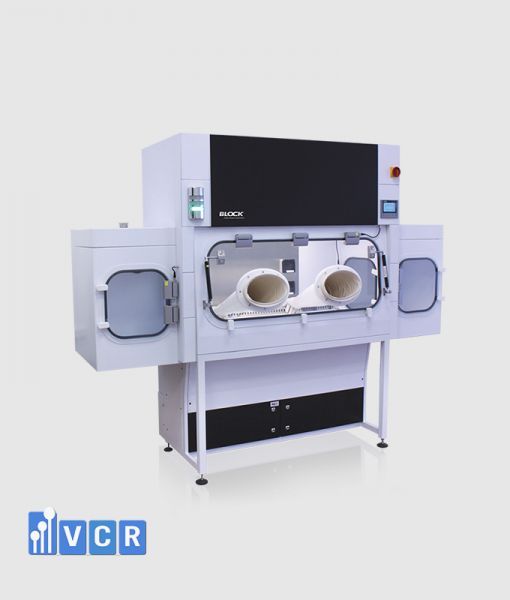
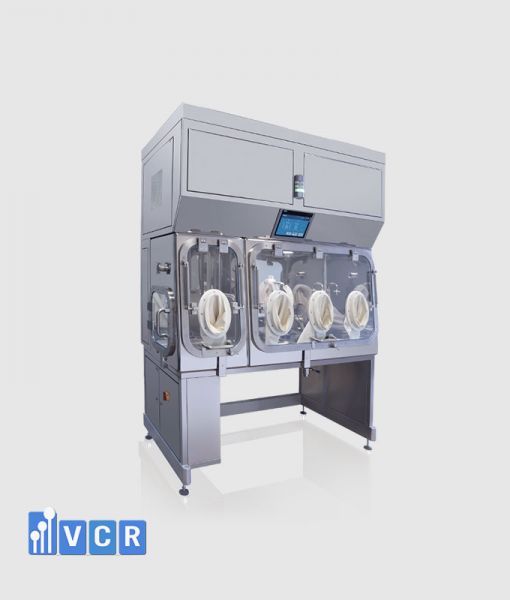
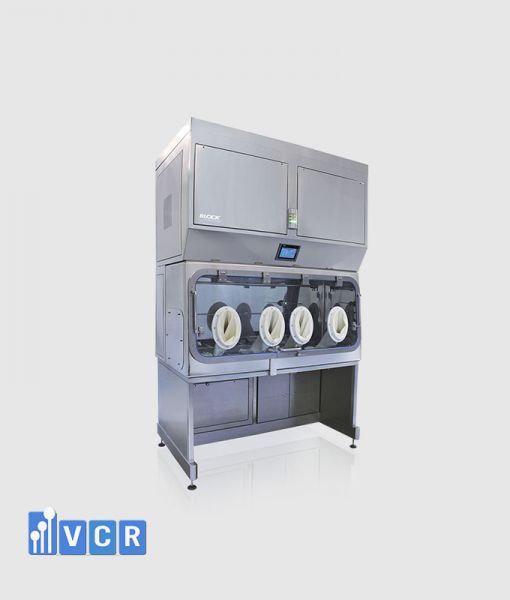
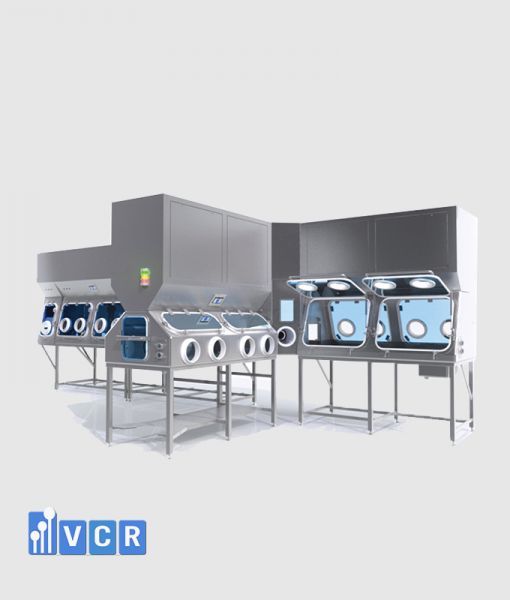
In real-world implementation, “VCR Cleanroom Equipment” has found that the true value of isolators lies not in the equipment itself, but in the ability to demonstrate compliance through data, validation, and consistency between design, operation, and documentation.
Are isolation cabinets related to ISO 14644 and how is it applied in practice?
Isolation cabinets are not directly classified under ISO 14644 like cleanrooms, but internal conditions such as particle count and airflow must meet equivalent or higher standards. ISO is used as a reference for performance evaluation.
In practice, parameters like particle levels, airflow, and recovery time are measured and compared against ISO classes to confirm that the internal environment is suitable for critical processes.
What does EU GMP Annex 1 require for isolation cabinets in sterile production?
EU GMP Annex 1 promotes isolators as a preferred solution for contamination control in sterile manufacturing, aiming to reduce human intervention.
It emphasizes system design based on risk management principles, requiring continuous data-driven control rather than relying solely on periodic testing.
How does WHO GMP view the role of isolation cabinets?
WHO GMP does not mandate isolators but recognizes them as an advanced solution for contamination control, especially in sterile processes.
Their use helps reduce contamination risks and improve process consistency, enhancing overall compliance.
Is validation required for isolation cabinets and what does it prove?
Validation is mandatory to demonstrate that the isolator can achieve and maintain required environmental conditions during operation.
It proves system stability, consistency, and reliability over time.
Are IQ/OQ/PQ required and what is their role in audits?
IQ/OQ/PQ are essential validation steps to confirm correct installation, operation, and performance under real conditions.
They serve as critical evidence in GMP audits to verify system suitability.
Is DOP/PAO testing required and why is it important?
DOP/PAO testing is used to verify the integrity and efficiency of HEPA/ULPA filters, ensuring no leakage.
This is crucial to confirm that clean air is properly delivered to the working area.
Is airflow testing required and which parameters matter?
Airflow testing ensures proper air distribution, absence of dead zones, and minimal turbulence.
Key parameters include air velocity, flow direction, and stability.
Is pressure differential control required and why is it critical?
Pressure differential determines airflow direction between internal and external environments, ensuring effective isolation.
Instability can compromise contamination control.
Is continuous monitoring required for isolators?
Monitoring systems track parameters such as pressure and airflow in real time.
They provide continuous evidence of system control and are highly valuable during audits.
Are SOPs required and what should they include?
SOPs are mandatory for standardizing operation, maintenance, and troubleshooting.
They must reflect actual practices and be clear and practical.
Is operator training required and how do auditors evaluate it?
Operators must be trained to understand system principles and procedures.
Auditors often assess this through direct interviews.
Are maintenance records required and what is their role?
Maintenance records demonstrate that the system is properly maintained over time.
They are essential audit documentation.
Is change control required and how is it applied?
All changes must be documented, risk-assessed, and approved before implementation.
This ensures system integrity.
Is internal auditing required and what are the benefits?
Internal audits help identify gaps before official inspections and support continuous improvement.
They are key to long-term compliance.
Is risk assessment required and how is it applied?
Risk assessment identifies system weaknesses and prioritizes improvements.
It aligns with modern GMP approaches.
Is data standardization required and why is it important?
Standardized data ensures traceability, consistency, and audit readiness.
Inconsistent data is a common compliance issue.
Should isolation cabinets be integrated with the overall cleanroom system?
Isolation cabinets must be considered part of the overall cleanroom system.
Integration ensures comprehensive control.
Do isolation cabinets need to comply with FDA requirements?
In export scenarios, isolators may need to meet FDA requirements in addition to GMP.
This depends on product and market.
Is periodic testing required and how often should it be done?
Periodic testing ensures continued performance and compliance.
Frequency depends on usage and regulatory requirements.
How can long-term GMP compliance be ensured without relying on audit preparation?
Sustainable compliance requires continuous operation based on SOPs, validation, monitoring, and data management rather than last-minute preparation. This reflects modern GMP principles.
When systems are properly controlled daily, audits become confirmation rather than pressure, ensuring long-term ISO and GMP compliance.
Duong VCR