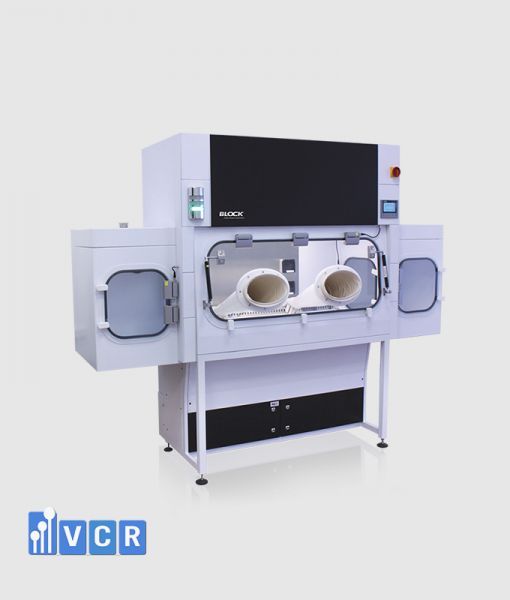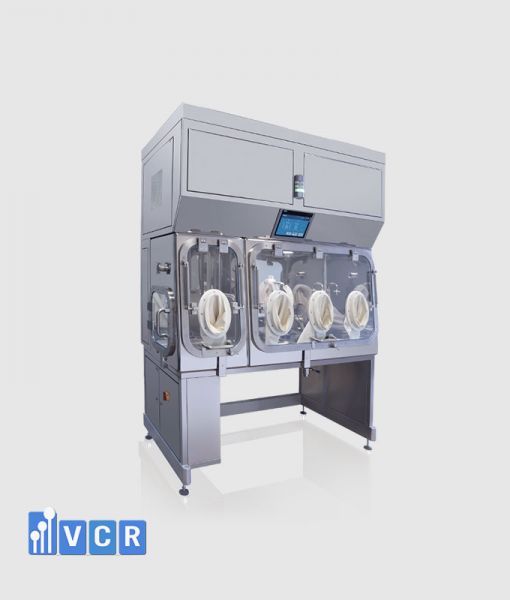

Proper operation of an isolation cabinet is critical to maintaining environmental control and process stability. Understanding the principles helps reduce errors, improve safety, and optimize performance.
- What is the correct way to start operating an isolation cabinet?
- How should an isolation cabinet operate during a production shift?
- When should an isolation cabinet be stopped during operation?
- What operating modes are typically available and how are they used?
- What checks are required before operating the system?
- How do operator actions affect system performance?
- Is operator training necessary and what should it focus on?
- What safety features are included in isolation cabinets?
- Why is continuous pressure monitoring important?
- How does airflow impact system performance?
- Can the cabinet be opened during operation?
- Can isolation cabinets run continuously for long periods?
- How should cleaning be performed after each shift?
- When should decontamination be performed and how often?
- What is the role of operation logs?
- Are periodic checks required during operation?
- How should operators respond to system alarms?
- What are common operator mistakes?
- How can incorrect operation affect the system?
- How to operate an isolation cabinet effectively using a system-based approach?
In real-world operation, “VCR Cleanroom Equipment” has found that the same system can deliver very different results depending on how operators understand airflow, pressure, and how they interact with the equipment during daily use.
What is the correct way to start operating an isolation cabinet?
Proper operation begins with a structured startup sequence: checking power supply, activating fans and filtration systems, and allowing the system to stabilize before use.
This stabilization period ensures airflow and pressure reach steady conditions. Starting operations too early is a common mistake that can compromise internal conditions.
How should an isolation cabinet operate during a production shift?
During a shift, the isolation cabinet should run continuously to maintain stable internal conditions.
Frequent on/off cycles should be avoided, as they can disrupt airflow and pressure stability, affecting overall performance.
When should an isolation cabinet be stopped during operation?
The system should be stopped when abnormal conditions occur, such as pressure loss, airflow instability, or system alarms.
It should also be shut down properly at the end of a shift following correct procedures to avoid system stress.
What operating modes are typically available and how are they used?
Common modes include normal operation, standby, decontamination, and maintenance.
Each mode serves a specific purpose and should be selected based on operational needs to optimize performance.
What checks are required before operating the system?
Pre-operation checks include verifying power, fan status, pressure levels, alarm systems, and glove integrity.
These checks help detect issues early and prevent operational risks.
How do operator actions affect system performance?
Fast or uncontrolled movements can disturb airflow and compromise stability inside the cabinet.
Smooth, controlled actions help maintain consistent internal conditions and reduce contamination risk.
Is operator training necessary and what should it focus on?
Training is essential to ensure operators understand system principles.
It should focus on airflow behavior, pressure control, correct handling, and real-world scenarios rather than just theory.
What safety features are included in isolation cabinets?
Isolation cabinets typically include alarms for pressure deviation, fan failure, and system faults.
Operators must understand these alerts to respond appropriately.
Why is continuous pressure monitoring important?
Pressure determines airflow direction and isolation effectiveness.
Any deviation can compromise internal conditions, so continuous monitoring is essential.
How does airflow impact system performance?
Airflow controls particle movement inside the cabinet and directly affects contamination control.
Stable airflow ensures a clean working zone, while turbulence can lead to contamination risks.
Can the cabinet be opened during operation?
Opening the cabinet during operation should be minimized and only done following proper procedures.
Improper opening can disrupt pressure and internal stability.
Can isolation cabinets run continuously for long periods?
Yes, they can operate continuously if properly designed and maintained.
Regular checks are necessary to ensure performance does not degrade over time.
How should cleaning be performed after each shift?
After each shift, internal and external surfaces should be cleaned using appropriate methods to remove contamination.
Proper cleaning helps maintain system performance and longevity.
When should decontamination be performed and how often?
Decontamination should be carried out periodically or before critical processes.
Frequency depends on usage intensity and process requirements.
What is the role of operation logs?
Logs help track system performance and identify trends or deviations over time.
They are valuable tools for improving operations.
Are periodic checks required during operation?
Regular checks during operation help detect early deviations in pressure or airflow.
This reduces the risk of system failure.
How should operators respond to system alarms?
When an alarm occurs, operations should stop, and the cause must be identified and resolved according to procedures.
Ignoring alarms can lead to serious issues.
What are common operator mistakes?
Common mistakes include rapid movements, skipping pre-checks, and ignoring alarms.
These errors can significantly impact system performance.
How can incorrect operation affect the system?
Improper operation can disrupt internal conditions, damage components, and reduce system lifespan.
Following procedures is essential for maintaining performance.
How to operate an isolation cabinet effectively using a system-based approach?
Effective operation requires understanding the isolator as an integrated system where airflow, pressure, and human interaction work together. This is the core principle of real-world operation.
When operators understand this relationship, they move beyond simply using the equipment to actively controlling the system, resulting in improved stability, fewer errors, and long-term efficiency.
Duong VCR