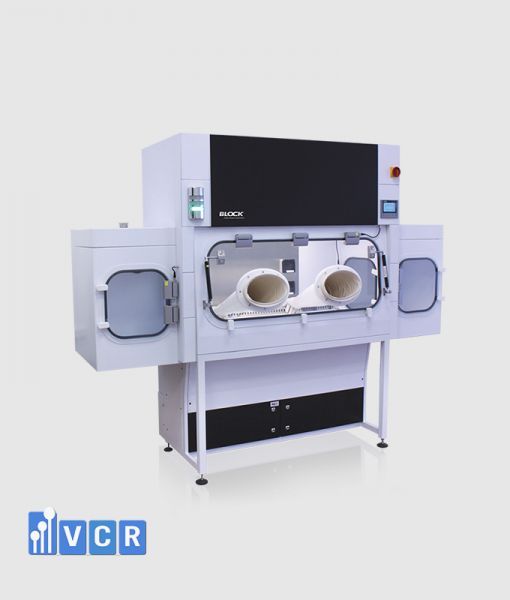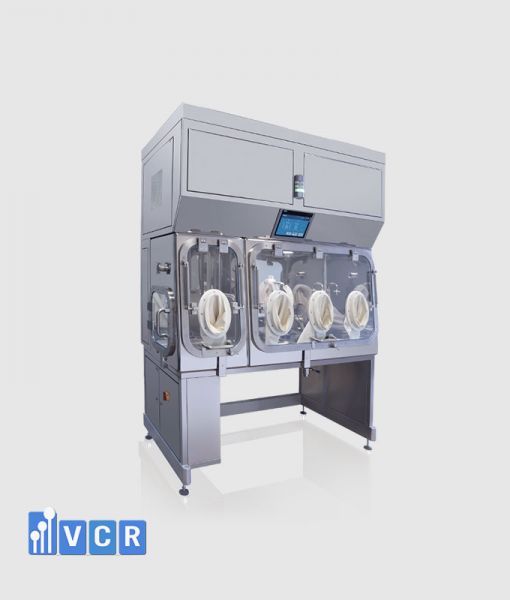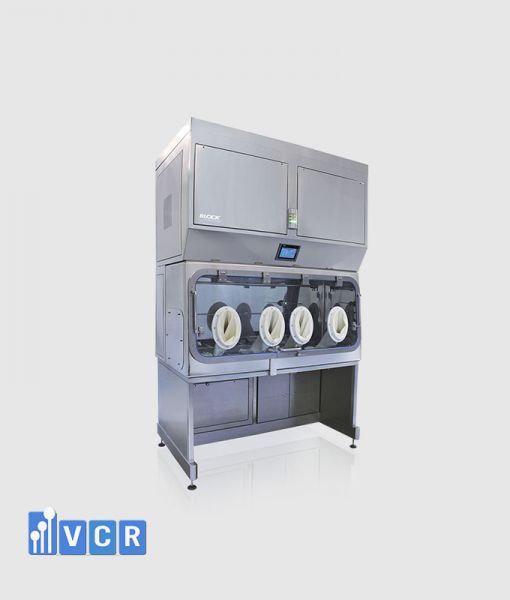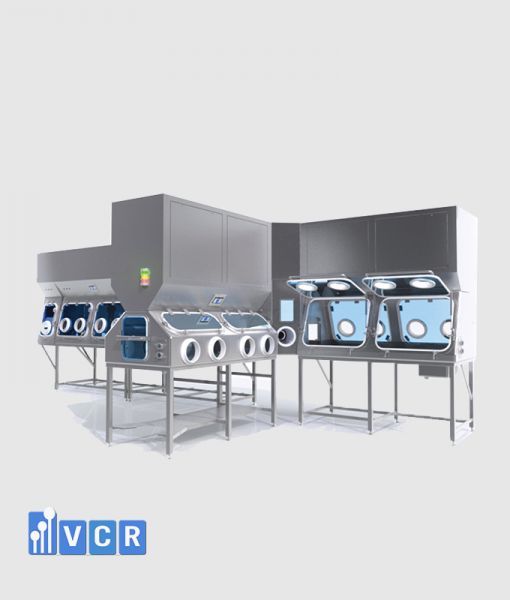

Installing an isolation cabinet is not just placing equipment but setting up a complete enclosed system with airflow, pressure, and coordinated operation. Proper understanding ensures long-term stability.
- What are the full steps for installing an isolation cabinet from survey to handover?
- How to determine the optimal installation location for an isolation cabinet?
- What clearance should be maintained around an isolation cabinet?
- Does an isolation cabinet need connection to air supply and exhaust systems?
- Is airflow balancing required after installation?
- How is leak testing performed for isolation cabinets?
- What should be considered for electrical installation?
- When is compressed air required for installation?
- How is pressure verified after installation?
- What are common installation mistakes for isolation cabinets?
- Is vibration testing necessary during installation?
- Does noise level matter during installation?
- Should isolation cabinets be integrated with the overall cleanroom system?
- Is operator training required after installation?
- What should be included in the acceptance checklist?
- Why is system commissioning important before use?
- What should be checked in the alarm system during installation?
- Should installation activities be documented?
- Does installation require coordination between multiple teams?
- How to ensure correct installation from the beginning using a system approach?
In real-world implementation, “VCR Cleanroom Equipment” has found that most isolator issues do not come from design but from incorrect installation—especially errors in airflow, positioning, system connections, or skipped verification steps.
What are the full steps for installing an isolation cabinet from survey to handover?
The installation process begins with site survey and layout evaluation, followed by equipment delivery, mechanical installation, and connection to electrical and auxiliary systems.
After installation, airflow balancing, pressure adjustment, leak testing, and system commissioning are performed. Final acceptance ensures the system operates as intended before use.
How to determine the optimal installation location for an isolation cabinet?
The location should align with the process flow to minimize unnecessary movement and reduce environmental disturbances.
It should avoid areas with high traffic or unstable airflow, as these can affect system stability.
What clearance should be maintained around an isolation cabinet?
Adequate space should be provided for operation, cleaning, and maintenance, typically between 800 mm and 1200 mm depending on design.
Proper spacing ensures accessibility and prevents airflow obstruction around the unit.
Does an isolation cabinet need connection to air supply and exhaust systems?
Depending on design, isolators may operate independently or be connected to air supply and exhaust systems.
If connected, airflow and pressure must be carefully controlled to prevent imbalance.
Is airflow balancing required after installation?
Airflow balancing is essential to ensure the system operates according to design specifications.
This includes measuring air velocity, flow direction, and adjusting system parameters to achieve stability.
How is leak testing performed for isolation cabinets?
Leak testing is typically conducted using pressure decay or specialized leak detection methods.
This ensures the enclosure is airtight and maintains isolation integrity.
What should be considered for electrical installation?
Electrical supply must be stable, correctly rated, and properly protected with grounding and safety devices.
Incorrect wiring can lead to system instability or hazards.
When is compressed air required for installation?
Compressed air may be used for actuators, valves, or automated components.
It must be clean, dry, and stable to avoid contamination risks.
How is pressure verified after installation?
Pressure levels must be measured and adjusted to meet design requirements, whether positive or negative pressure.
Proper pressure ensures effective isolation.
What are common installation mistakes for isolation cabinets?
Common errors include incorrect positioning, improper airflow setup, poor system connections, and skipping leak testing.
These issues may not be immediately visible but can significantly affect performance.
Is vibration testing necessary during installation?
Vibration can affect system stability and airflow performance.
It should be checked and minimized if detected.
Does noise level matter during installation?
Excessive noise may indicate improper installation or system imbalance.
Noise checks help identify potential issues early.
Should isolation cabinets be integrated with the overall cleanroom system?
Integration ensures consistent airflow and environmental control across the system.
This improves overall performance and stability.
Is operator training required after installation?
Training ensures operators understand proper use and reduces operational errors.
It is an important step often overlooked.
What should be included in the acceptance checklist?
The checklist includes mechanical inspection, electrical verification, airflow testing, pressure checks, leak testing, and control system validation.
This confirms readiness for operation.
Why is system commissioning important before use?
Commissioning verifies full system performance under real conditions and identifies issues before operation.
It reduces risk during actual use.
What should be checked in the alarm system during installation?
Alarm systems must be tested for pressure deviations, fan failure, and system faults to ensure timely response.
This is critical for safety.
Should installation activities be documented?
Documentation provides traceability and supports future maintenance and troubleshooting.
It is essential for proper equipment management.
Does installation require coordination between multiple teams?
Installation typically involves coordination between suppliers, engineers, and operators.
Good coordination reduces errors and delays.
How to ensure correct installation from the beginning using a system approach?
Correct installation requires a system-level approach, considering airflow, pressure, positioning, and operational interaction rather than focusing only on the device itself.
A properly installed system ensures stable operation, reduced errors, lower maintenance costs, and long-term performance.
Duong VCR