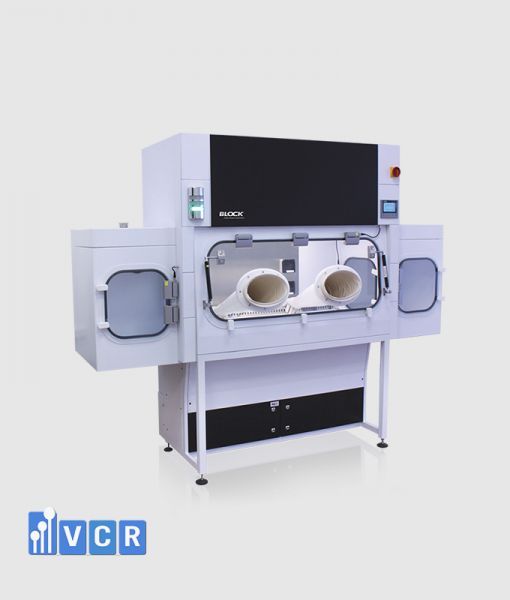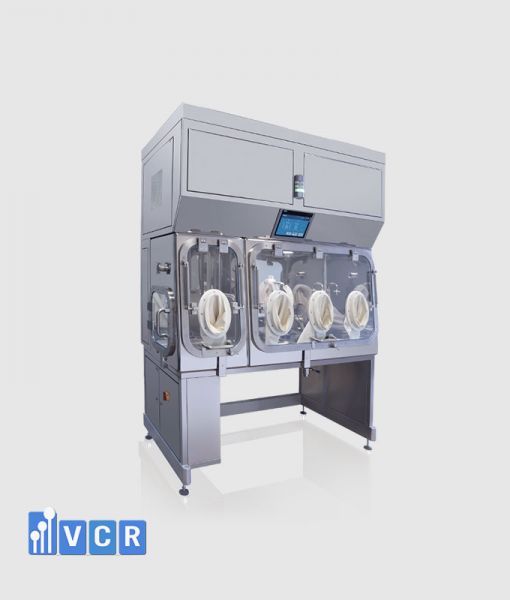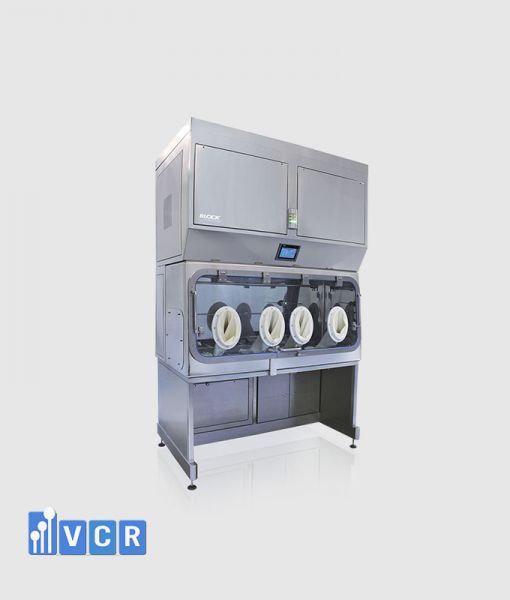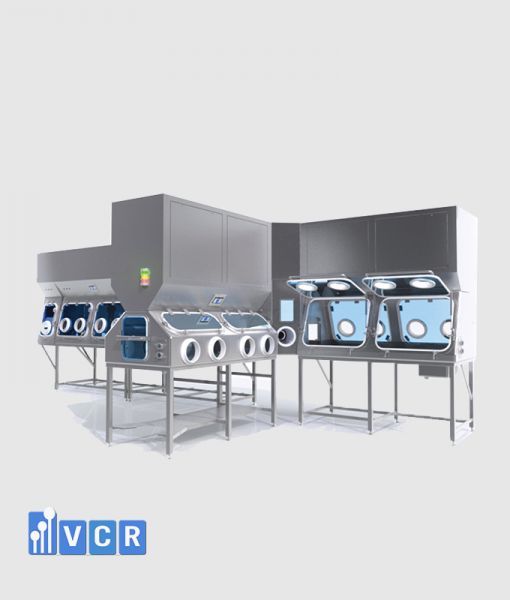

Isolation cabinets are designed as fully enclosed contamination control systems, integrating multiple technologies to maintain a stable environment. Understanding their structure is key to proper GMP-compliant operation.
- What are the main components of an isolation cabinet and what are their roles?
- How is the enclosure of an isolation cabinet designed to ensure complete airtightness?
- What is the overall working principle of an isolation cabinet and what determines its performance?
- How is the HEPA/ULPA filtration system arranged in an isolation cabinet?
- How is airflow designed inside an isolation cabinet and why is it critical?
- How does the pressure control system function in an isolation cabinet?
- What types of isolation cabinet designs exist based on application?
- How are glove systems designed to ensure safe operation?
- How does the material transfer system work in an isolation cabinet?
- Is an integrated decontamination system required?
- What does the control system of an isolation cabinet include?
- Is monitoring required in isolation cabinets?
- Which components are considered critical in an isolation cabinet?
- Is leak-proof design required and how is it tested?
- What material requirements must isolation cabinets meet?
- How are doors designed to maintain airtightness?
- Is modular design necessary and what are its advantages?
- Are alarm systems required?
- Should isolation cabinets be integrated with BMS or cleanroom systems?
- How should isolation cabinet design be understood from a system perspective?
In real-world implementation, “VCR Cleanroom Equipment” has found that most mistakes in isolator selection come not from the equipment itself, but from misunderstanding the system structure and the interaction between its technical components.
What are the main components of an isolation cabinet and what are their roles?
An isolation cabinet consists of key components such as an enclosed chamber, HEPA/ULPA filtration system, FFU or air supply fan, pressure control system, glove ports, material transfer system, and central control unit. These components function as an integrated system.
Each part plays a specific role: filtration ensures air cleanliness, pressure maintains isolation, and the enclosure prevents leakage. If any component fails, the entire contamination control system is compromised.
How is the enclosure of an isolation cabinet designed to ensure complete airtightness?
The enclosure is typically made of stainless steel (304/316) combined with tempered glass, providing durability and ease of cleaning and decontamination. All joints are sealed with specialized gaskets to prevent leakage.
The design must not only be airtight but also easy to clean, avoiding dead corners where particles can accumulate, which is critical for GMP compliance.
What is the overall working principle of an isolation cabinet and what determines its performance?
Isolation cabinets operate by creating a sealed environment with controlled airflow and pressure differential to prevent uncontrolled air exchange between internal and external environments.
System performance depends on stable airflow and airtight integrity. Any instability can significantly reduce isolation effectiveness.
How is the HEPA/ULPA filtration system arranged in an isolation cabinet?
HEPA/ULPA filters are typically installed at the air supply point, often above the working area, to create vertical laminar airflow.
This design ensures a continuous flow of clean air over the work zone, minimizing contamination risk.
How is airflow designed inside an isolation cabinet and why is it critical?
Airflow is usually designed as laminar (unidirectional) or controlled flow depending on application requirements.
It is the most critical factor because it determines particle movement. Poor airflow design can cause contamination accumulation or recirculation.
How does the pressure control system function in an isolation cabinet?
The system uses sensors and control mechanisms to maintain positive or negative pressure depending on the application.
Positive pressure protects the product, while negative pressure protects the operator. Precise control is essential for effective isolation.
What types of isolation cabinet designs exist based on application?
Isolation cabinets are designed for sterile processing, containment of hazardous substances, or hybrid applications combining both.
Selection depends on whether the priority is product protection or operator safety.
How are glove systems designed to ensure safe operation?
Glove systems are integrated into the enclosure and made from durable, chemical-resistant materials.
They must provide flexibility for operation while maintaining complete sealing, as they are the only interface between operator and internal environment.
How does the material transfer system work in an isolation cabinet?
Material transfer is typically achieved through integrated pass boxes or Rapid Transfer Ports (RTP), allowing items to enter and exit without compromising the sealed environment.
This ensures continuous contamination control during operation.
Is an integrated decontamination system required?
Most sterile isolators include integrated decontamination systems using vaporized hydrogen peroxide (VHP) to sterilize the internal environment before use.
This is a critical GMP requirement for sterile applications.
What does the control system of an isolation cabinet include?
The control system typically includes PLC, HMI interfaces, and sensors to monitor and regulate airflow, pressure, and system status.
Automation reduces human error and improves operational stability.
Is monitoring required in isolation cabinets?
Monitoring systems track key parameters continuously and detect deviations early.
This is essential for maintaining GMP compliance.
Which components are considered critical in an isolation cabinet?
Critical components include HEPA/ULPA filters, pressure control systems, the enclosure, and glove systems.
These directly affect contamination control performance.
Is leak-proof design required and how is it tested?
Leak-proof design is mandatory and typically verified using leak tests or pressure decay tests.
This ensures system integrity.
What material requirements must isolation cabinets meet?
Materials must be corrosion-resistant, easy to clean, non-particle shedding, and compatible with decontamination agents.
Stainless steel 316L is commonly used.
How are doors designed to maintain airtightness?
Doors use sealed gaskets and locking mechanisms to ensure airtight closure.
Some designs include interlock systems to prevent simultaneous opening.
Is modular design necessary and what are its advantages?
Modular design allows easier transport, expansion, and maintenance.
It is increasingly used in modern systems.
Are alarm systems required?
Alarm systems detect deviations in pressure, airflow, or system faults.
They enable timely corrective actions.
Should isolation cabinets be integrated with BMS or cleanroom systems?
Integration with BMS enables centralized monitoring and data synchronization with the overall cleanroom system.
This improves operational efficiency and control.
How should isolation cabinet design be understood from a system perspective?
Isolation cabinets should be viewed as integrated systems where airflow, pressure, filtration, and human interaction work together to achieve contamination control. This is the core GMP design philosophy.
Understanding this system approach enables better selection, operation, and maintenance, ensuring long-term ISO and GMP compliance.
Duong VCR