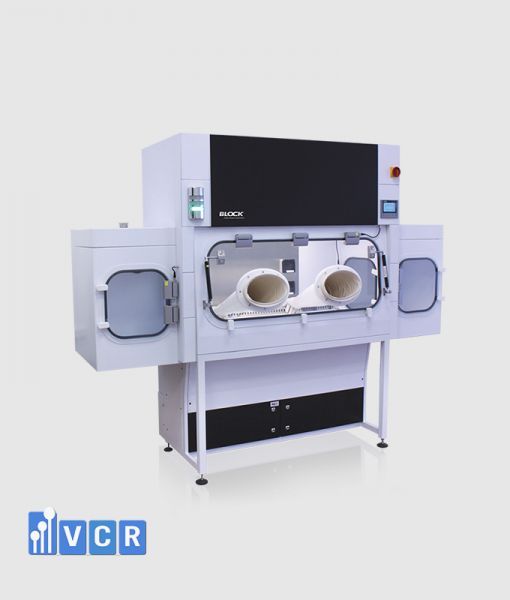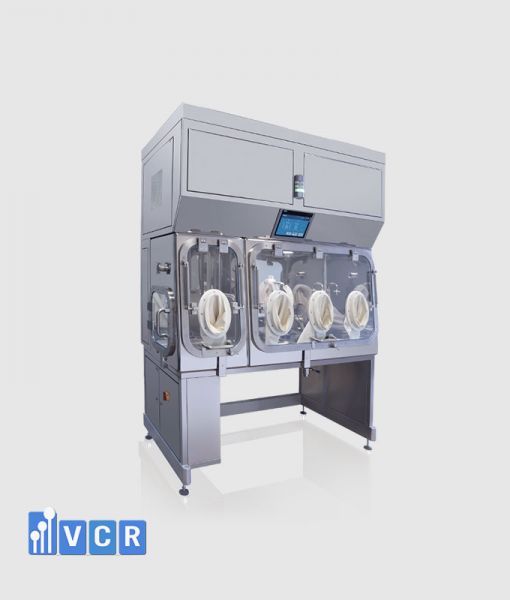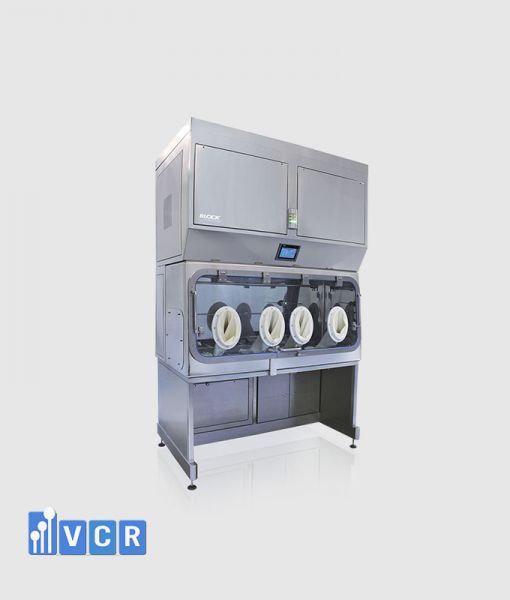

Maintaining an isolation cabinet is not just routine checking but a strategy to sustain system performance. Proper understanding reduces risk, extends lifespan, and optimizes long-term operating cost.
- How often should an isolation cabinet be maintained for long-term stability?
- What are the most critical components to inspect regularly?
- When should HEPA/ULPA filters be replaced?
- How do gloves impact isolator performance?
- How can early performance degradation be detected?
- How should a maintenance checklist be structured?
- What role does cleaning play in maintenance?
- How should fans be maintained to avoid failure?
- Why is periodic pressure calibration important?
- Does airflow change over time and why?
- How should alarm systems be tested?
- Why is maintenance documentation important?
- What electrical components require maintenance?
- Can sealing integrity degrade over time?
- When should gaskets and seals be replaced?
- How does vibration affect system lifespan?
- Can noise indicate system issues?
- Does preventive maintenance reduce operating costs?
- Should maintenance planning be data-driven?
- How to build a system-based maintenance strategy?
In long-term operation, “VCR Cleanroom Equipment” has found that systems maintained proactively are always more stable than those repaired only after failure. This is the difference between professional and reactive operation.
How often should an isolation cabinet be maintained for long-term stability?
Maintenance frequency depends on usage intensity and operating conditions, but typically includes weekly basic checks, monthly detailed inspections, and full maintenance every 6–12 months.
This layered approach allows early detection of performance degradation and prevents unexpected failures, ensuring the system consistently operates at optimal conditions.
What are the most critical components to inspect regularly?
Key components include filtration systems, fans, pressure control, airflow, gloves, sealing integrity, and control systems.
Inspection should not only confirm functionality but also assess stability trends over time to identify early warning signs.
When should HEPA/ULPA filters be replaced?
Filter replacement should be based on performance indicators such as increased pressure drop, reduced airflow, or failed integrity tests rather than time alone.
Typical lifespan ranges from 1–3 years but may vary depending on environment.
How do gloves impact isolator performance?
Gloves are direct interaction points between the operator and internal environment, making them critical for maintaining enclosure integrity.
Any damage or degradation can compromise isolation and must be addressed immediately.
How can early performance degradation be detected?
Early signs include reduced airflow strength, fluctuating pressure, increased noise, or longer stabilization time.
Recognizing these trends early helps prevent major failures and costly repairs.
How should a maintenance checklist be structured?
A proper checklist should cover mechanical, electrical, airflow, pressure, sealing, and control system aspects.
Each item should have measurable criteria rather than subjective evaluation to ensure consistency.
What role does cleaning play in maintenance?
Cleaning removes accumulated dust and contaminants that can affect airflow and filtration efficiency.
Improper cleaning can reduce system performance and increase system load.
How should fans be maintained to avoid failure?
Fans should be checked for vibration, noise, rotation speed, and bearing condition.
Early detection of abnormalities helps prevent sudden breakdowns and costly downtime.
Why is periodic pressure calibration important?
Pressure determines isolation performance and airflow direction, making it critical to system integrity.
Even small deviations can impact the entire system.
Does airflow change over time and why?
Airflow may decrease due to clogged filters, fan wear, or environmental changes.
Continuous monitoring ensures performance remains within acceptable limits.
How should alarm systems be tested?
Alarm systems should be tested through simulated fault conditions to verify detection and response accuracy.
This ensures reliability during actual events.
Why is maintenance documentation important?
Documentation tracks system history, identifies trends, and supports root cause analysis during issues.
It is essential for long-term performance improvement.
What electrical components require maintenance?
Wiring, connections, protective devices, and power stability should be regularly inspected.
Proper maintenance prevents safety hazards and system failures.
Can sealing integrity degrade over time?
Yes, seals can deteriorate due to aging or environmental exposure.
Regular inspection ensures continued isolation performance.
When should gaskets and seals be replaced?
They should be replaced when showing signs of cracking, hardening, or loss of elasticity.
Timely replacement maintains airtight conditions.
How does vibration affect system lifespan?
Continuous vibration can loosen components and cause mechanical failure.
It should be monitored and minimized.
Can noise indicate system issues?
Abnormal noise often signals fan imbalance, misalignment, or installation issues.
Monitoring noise helps detect early problems.
Does preventive maintenance reduce operating costs?
Yes, it prevents major failures, reduces downtime, and maintains efficiency.
This lowers total lifecycle cost.
Should maintenance planning be data-driven?
Maintenance should be based on operational data rather than fixed schedules alone.
This improves efficiency and avoids unnecessary interventions.
How to build a system-based maintenance strategy?
A proper strategy treats the isolator as an integrated system involving airflow, pressure, and mechanical components working together. This is the foundation of long-term performance.
By adopting a system-based approach, organizations move beyond simple maintenance to full operational control, reducing risk, improving stability, and optimizing cost over time.
Duong VCR